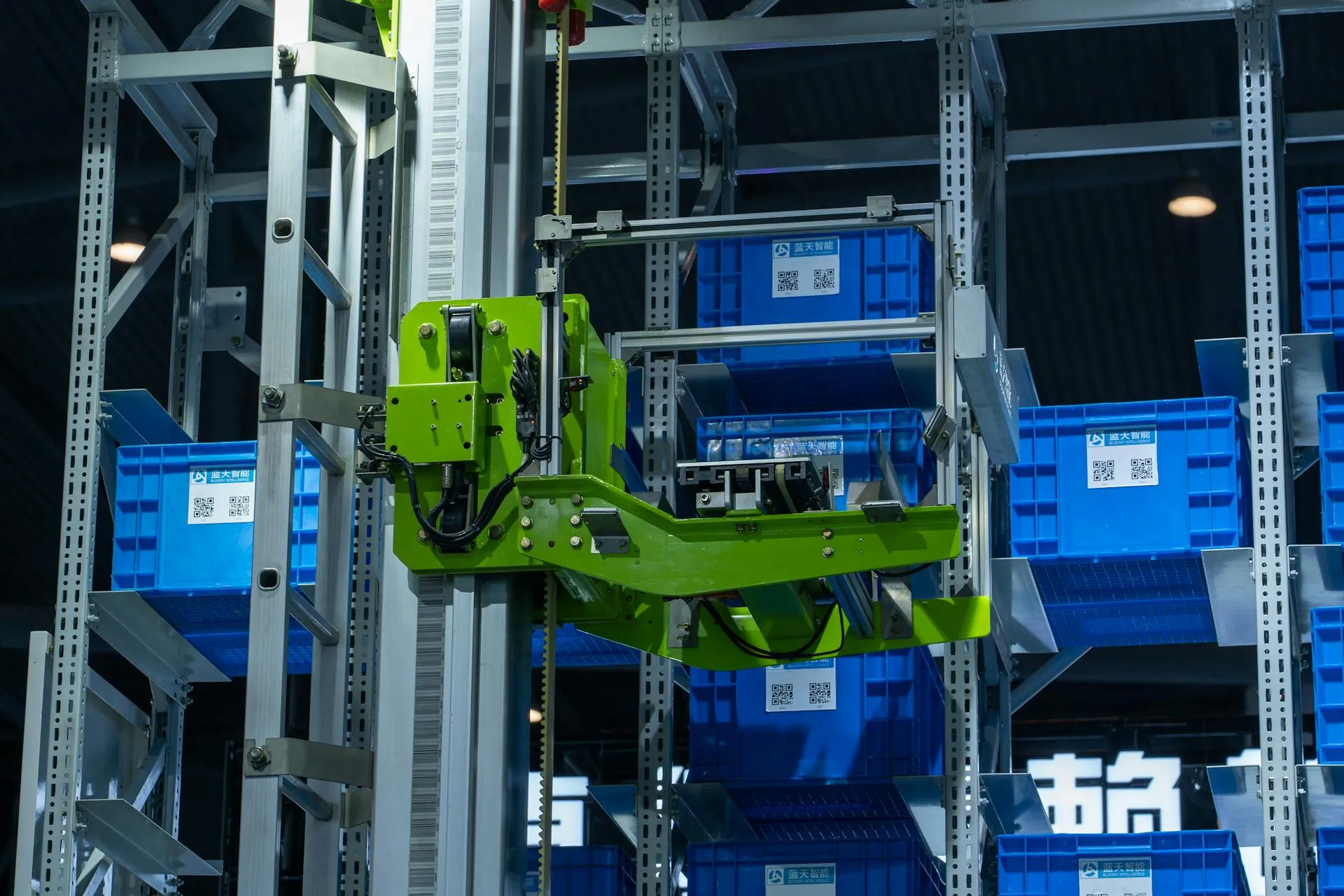
Warehousing used to be something most online shoppers never thought about. If an order arrived on time, that was enough. Nobody cared what happened between clicking “Buy Now” and the package showing up at the door. That’s changed quite a bit.
Customers now expect fast delivery, accurate tracking updates, smooth returns, and almost no delays at all. The problem is that many warehouse systems were never originally built for this level of pressure. A lot of operations are still trying to catch up while order volumes keep increasing year after year. And honestly, the weak points become obvious very quickly during busy periods.
One inventory issue turns into delayed shipments. Delayed shipments turn into customer complaints. Then, support teams get overwhelmed trying to explain what went wrong. Most e-commerce businesses have seen some version of that happen already.
Automation Is Becoming More Practical
Not every warehouse is turning into a fully robotic Amazon-style operation. That assumption gets exaggerated a lot. What’s actually happening is more practical than that.
Mid-sized retailers are slowly adopting tools that remove repetitive manual work. Automated sorting systems, AI-assisted inventory software, and barcode scanning tools are becoming more common because they solve very specific operational problems.
A warehouse team manually correcting stock counts for hours every week is expensive. So is fixing shipping mistakes caused by disconnected systems. That’s why more businesses are linking inventory platforms directly with courier software and order management systems. The less switching between systems employees have to do, the fewer delays tend to happen later.
It sounds simple, but small workflow improvements matter more than people think in fulfilment environments.
Real-Time Tracking Has Become Hard to Avoid
Live inventory visibility is becoming one of the bigger priorities in warehousing right now. A few years ago, some businesses could still get away with delayed stock updates or partially manual tracking. That’s harder now, especially for companies processing large daily order volumes.
RFID tracking, warehouse sensors, and automated scanning systems are helping businesses reduce mistakes that usually happen during fast-moving fulfilment cycles. And those mistakes add up fast.
A missing inventory update may not sound serious initially, but in larger warehouses, it can affect hundreds of orders before somebody notices there’s a problem. That’s usually when operations teams start scrambling.
Food, healthcare, and electronics companies are paying even closer attention because damaged inventory creates another layer of cost entirely. Temperature monitoring and humidity tracking are becoming standard in many storage facilities for that reason alone.
The technology side gets most of the attention publicly. Day to day, though, reliability is what businesses actually care about.
Physical Infrastructure Matters More Than People Realise
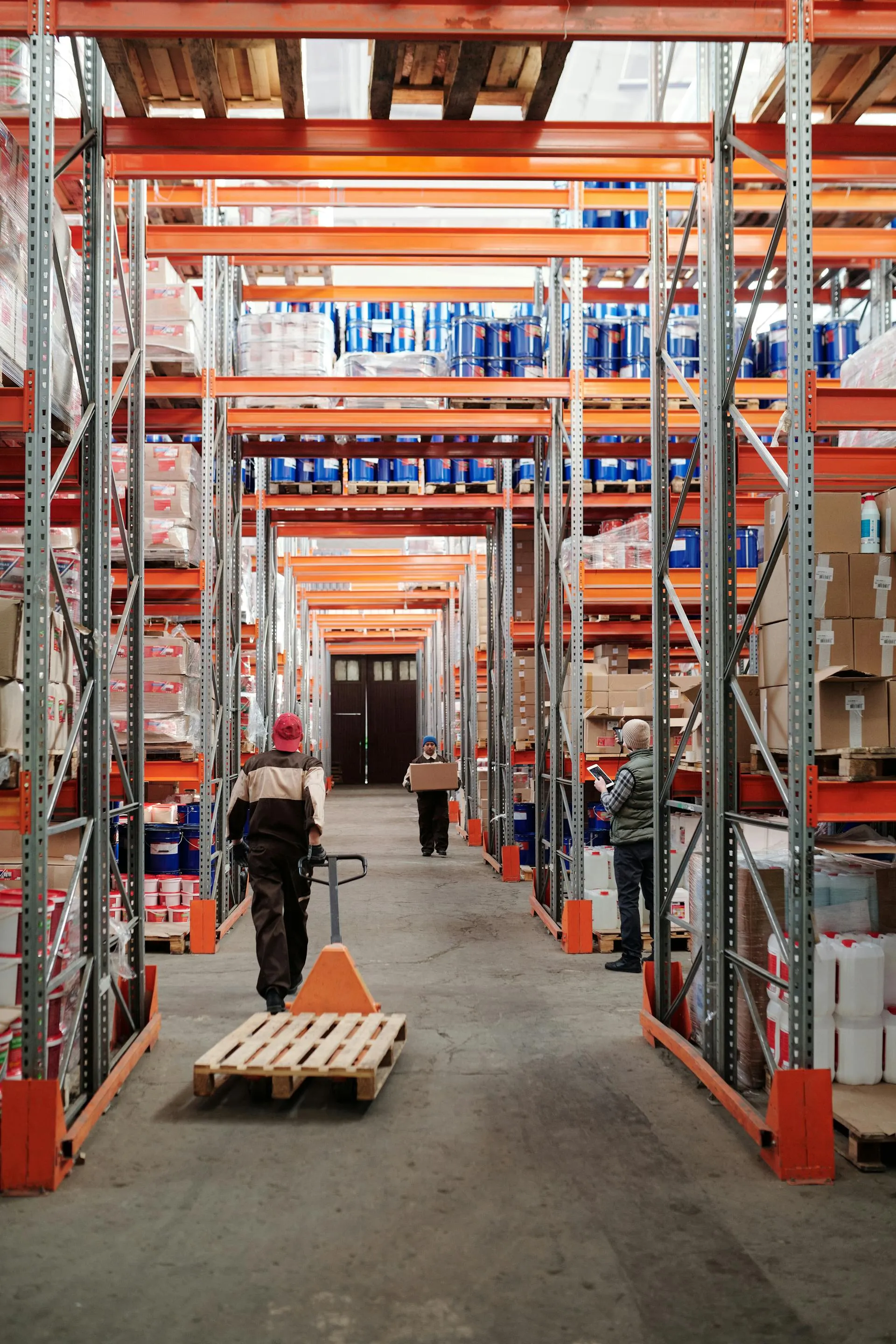
A lot of conversations around warehouse innovation focus heavily on AI, robotics, and software dashboards. Physical infrastructure tends to get ignored unless something breaks. But operational consistency depends on physical systems too.
Conveyor setups, automated handling equipment, and warehouse scanners all work better when materials moving through the facility are standardised. Even small inconsistencies slow things down over time.
One overlooked trend is the growing use of reusable transport infrastructure like Plastic Pallets in automated warehouse environments. They’re easier to manage in high-volume operations were damaged or uneven materials can interrupt workflows and create avoidable slowdowns.
There’s also the sustainability side of this. A lot of retailers are under pressure to reduce waste now, especially larger e-commerce brands trying to improve supply chain efficiency without creating additional operational costs. Reusable transport materials fit naturally into that shift.
Not every warehouse improvement needs to involve expensive robotics or massive system overhauls. In many cases, businesses are simply trying to make daily operations less chaotic.
Warehouses Are No Longer Just Storage Spaces
That’s probably the biggest shift happening right now. Warehouses are becoming directly tied to customer experience instead of sitting quietly in the background of the business. Fast fulfilment builds trust. Delays damage it very quickly. And customers are less patient than they used to be.
Businesses adapting well are usually the ones fixing operational bottlenecks before they become visible to customers. Sometimes that involves automation. Sometimes it’s better tracking systems. Sometimes it’s just improving communication between inventory, shipping, and fulfilment teams.
Either way, warehousing has become far more strategic than it was a few years ago. That’s unlikely to change anytime soon.